

How to Choose the Best Luxury Cashmere Accessories for Winter
The best luxury cashmere accessories for winter are those made from 100% Grade A Mongolian cashmere at 14 to 16 microns, chosen to match your specific use: a scarf for everyday warmth and styling versatility, a hat for outdoor cold and wind, a shawl or wrap for layering indoors and on travel, and a cashmere sweater or dress for full-body insulation. The right combination depends on your climate, your wardrobe, and how you actually spend your winter days. This guide covers what to look for in fiber quality, which accessories suit which lifestyles, how to assess craftsmanship before buying, and which colors give you the most use from each piece.
In this guide
- What fiber quality should luxury cashmere accessories have?
- Which cashmere accessory is best for your winter lifestyle?
- Winter cashmere accessories compared
- Best luxury cashmere accessories for winter
- How to assess cashmere craftsmanship before buying
- What colors should you choose for winter cashmere accessories?
- Frequently asked questions
What Fiber Quality Should Luxury Cashmere Accessories Have?
The quality of any cashmere accessory is determined entirely by the fiber it is made from. Genuine cashmere comes from the fine undercoat of the cashmere goat, measured in microns of fiber diameter. The international cashmere standard, set by the International Wool Textile Organisation (IWTO), defines cashmere as fiber measuring 19 microns or finer. Premium Grade A cashmere, which is the benchmark for luxury accessories, measures 14 to 16 microns. At that fineness, the fiber is definitively non-itchy against bare skin, produces a natural softness that improves with correct washing, and has a warmth-to-weight ratio approximately 8 times higher than sheep's wool. For winter accessories that will be worn against the neck, face, and hands, that sub-16-micron standard is the relevant threshold. Anything labeled as "cashmere blend," "cashmere-touch," or "cashmere-feel" is not pure cashmere and will not perform at the same level of softness, warmth, or longevity. Always look for "100% cashmere" on the fiber content label as the first filter before evaluating any other quality indicator.
Which Cashmere Accessory Is Best for Your Winter Lifestyle?
Different winter lifestyles have genuinely different cashmere accessory needs. The table below matches the most common buyer profiles to the cashmere accessories that will get the most use, based on the primary environments and activities involved.
| Winter lifestyle | Primary cashmere need | Best accessory picks |
|---|---|---|
| Daily commuter in a cold city | Outdoor warmth + packability between indoors and outdoors | Cashmere scarf + cashmere beanie hat |
| Office professional | Indoor layering over work clothes, no bulk | Cashmere wrap or shawl + cashmere sweater |
| Frequent traveler | Packability + warmth across cabin, arrival city, and hotel | Lightweight cashmere travel wrap + scarf |
| Cold-climate outdoor enthusiast | Maximum warmth for head, neck, and ears in cold and wind | Cashmere balaclava or hoodie hat + heavyweight scarf |
| Fashion-conscious dresser | Accessories that elevate an outfit rather than just warm it | Cashmere triangle shawl with fringe + cashmere scarf |
| Gift buyer | Something luxurious, practical, and easy to size | Cashmere beanie and scarf set + cashmere bed socks |
| Home and lounge | Warmth and comfort indoors, not just when going out | Cashmere bed socks + oversized cashmere shawl |
Winter Cashmere Accessories Compared
Each type of cashmere winter accessory serves a different primary function. The comparison below helps identify which pieces belong in a core winter cashmere wardrobe and what each one does best.
| Accessory | Primary function | Best for | Versatility |
|---|---|---|---|
| Cashmere scarf | Neck and upper chest warmth | Everyday use, commuting, travel | Very high; works indoors and outdoors |
| Cashmere wrap or shawl | Shoulder and full upper body coverage | Office, travel, evenings, layering | Very high; year-round use |
| Cashmere beanie hat | Head and ear warmth outdoors | Cold-city commuters, winter travel | Medium; primarily outdoor use |
| Cashmere balaclava or hoodie hat | Maximum head, neck, and face warmth | Very cold climates, outdoor activities | Lower; specialized cold-weather use |
| Cashmere bed socks | Foot warmth at home and in bed | Cold sleepers, home loungewear, gifting | Medium; indoor and home use |
| Cashmere sweater | Full torso insulation as a base or mid layer | Daily winter wear, office, outdoor layering | Very high; works in every context |
Best Luxury Cashmere Accessories for Winter
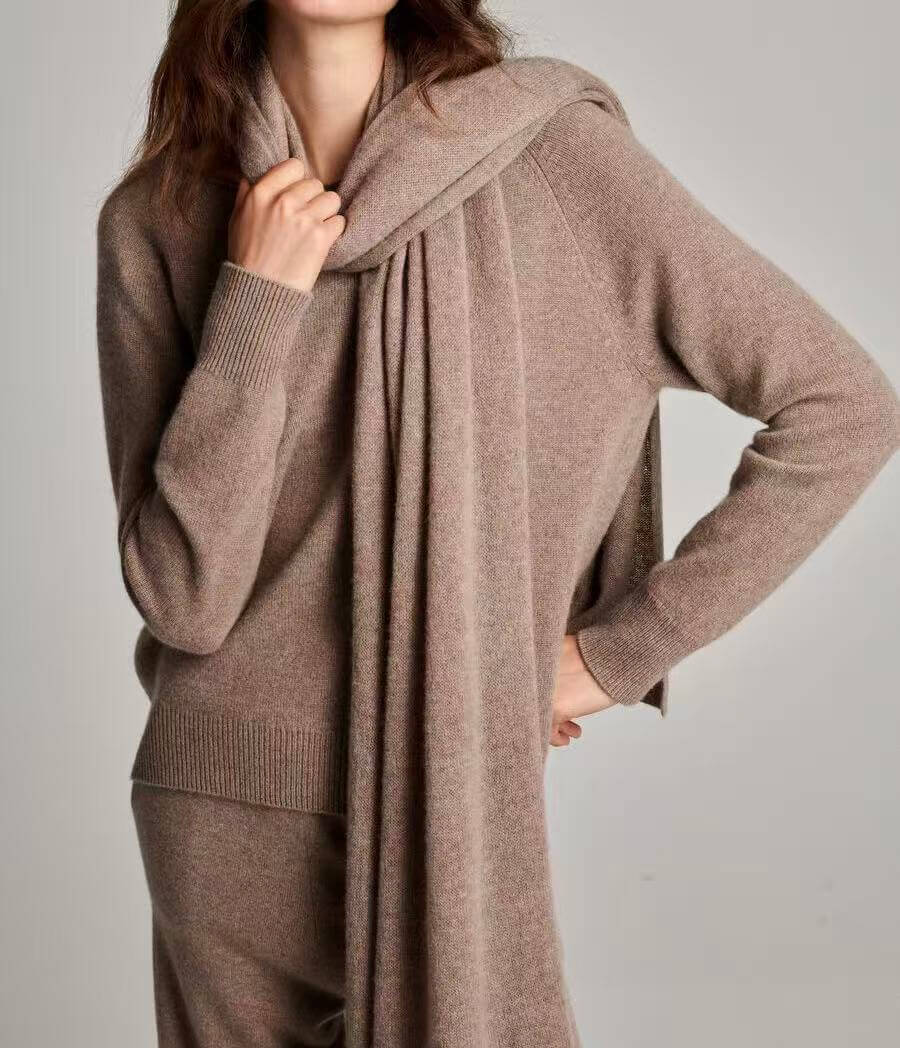
Luxury 100% Cashmere Fringe Scarf — Most Versatile Winter Accessory
A generously sized 100% cashmere scarf with hand-twisted fringe is the single most versatile winter cashmere accessory. It works looped around the neck for outdoor warmth, draped over the shoulders as a shawl for indoor layering, and folded flat into a tote for commuting and travel. The fringe detail adds a visual elegance that makes this read as a considered style choice rather than a cold-weather fix. Available in classic neutrals including camel, oatmeal, charcoal, and ivory, it works across every outfit and occasion in a winter wardrobe.
Generously sized with hand-twisted fringe. Wears as a scarf, shawl, or wrap. The most versatile single piece in a winter cashmere wardrobe.
Shop Now →Women's 100% Cashmere Cable Knit Beanie with Removable Pom-Pom — Best for Cold-City Commuters
A cashmere beanie is the most effective single accessory for outdoor warmth in a cold city. The head accounts for a significant proportion of body heat loss in cold conditions, and a fine-gauge cashmere knit covers the ears and forehead with a softness and warmth that wool or synthetic beanies cannot match at any comparable weight. The cable knit construction adds insulation and visual texture. The removable pom-pom provides styling flexibility: with pom-pom for a casual weekend look, without for a cleaner professional appearance on the commute.
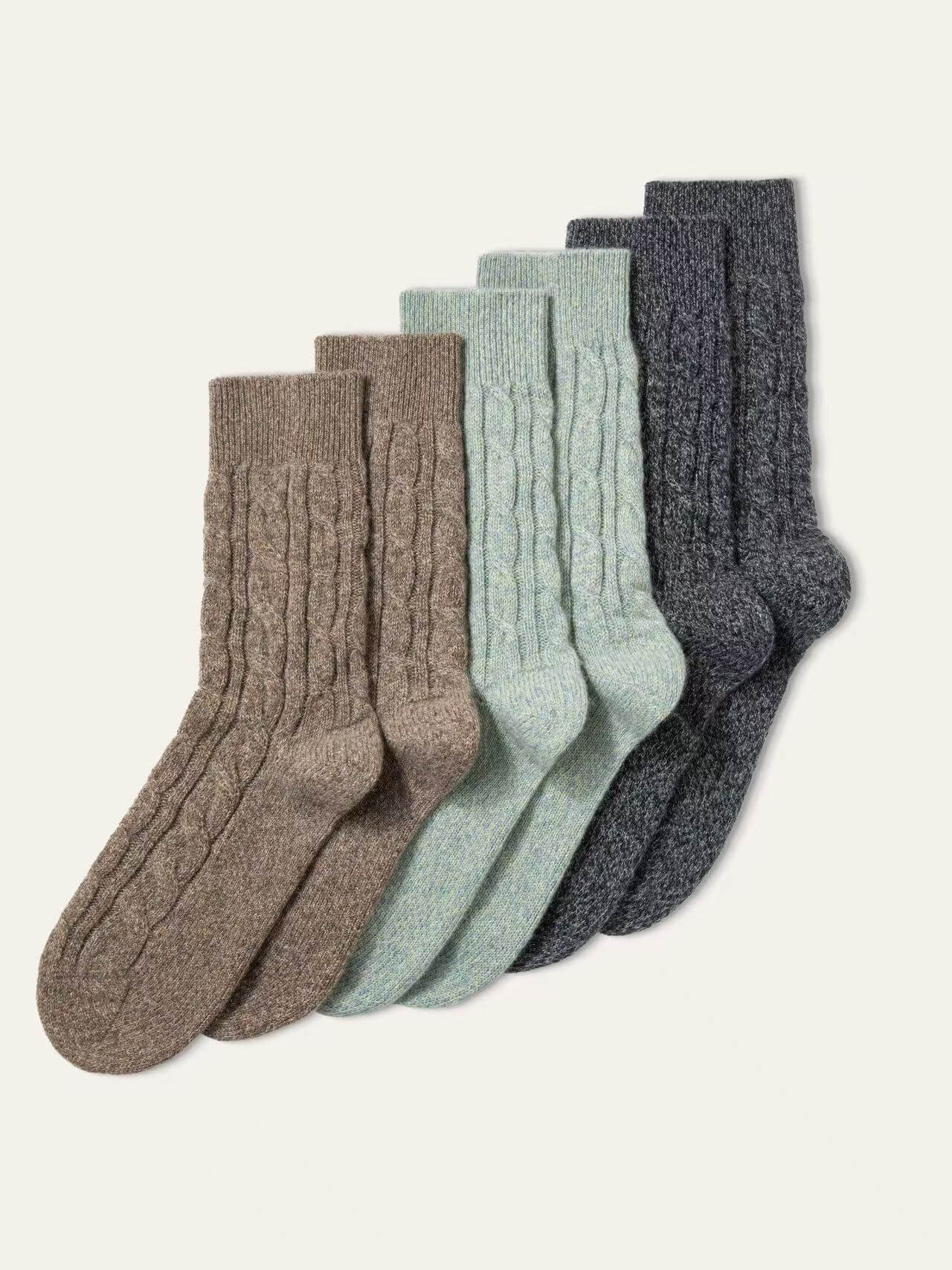
Cable knit for warmth and texture. Removable pom-pom for styling flexibility. The best cashmere hat for cold-city commuters and winter travel.
Shop Now →Women's 100% Cashmere Turtleneck Dress — Best Single Investment Piece
A full-length cashmere turtleneck dress is the highest-impact single investment in a winter cashmere wardrobe. It provides full-body insulation from neck to ankle in 100% Mongolian cashmere, transitions from day to evening without changing, and replaces multiple separate layers with one considered piece. Dress it up with heeled boots and a cashmere scarf for evening events, or down with flat boots and a wrap for daytime. The turtleneck provides direct neck warmth without a separate scarf, making this the most complete winter comfort piece in the collection.
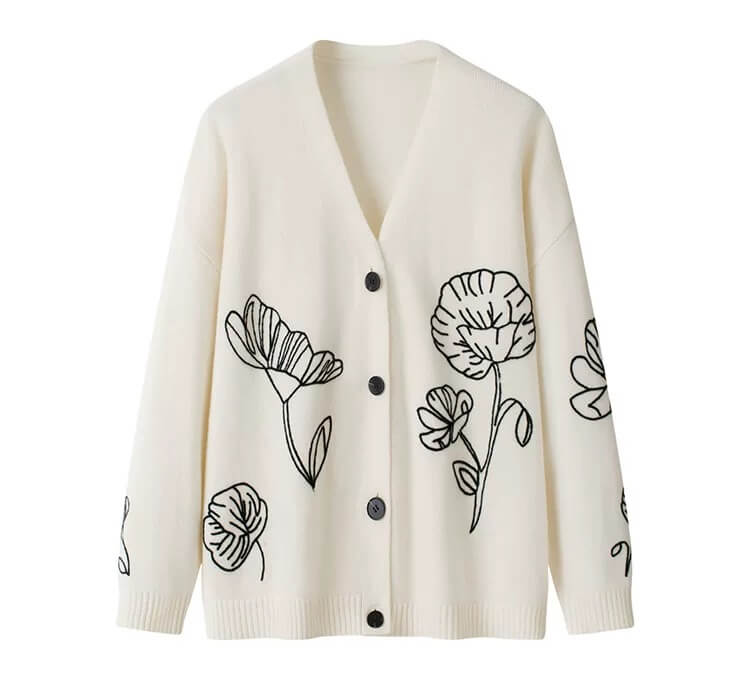
Full-body cashmere insulation in one piece. Day to evening without changing. The single highest-impact winter cashmere investment.
Shop Now →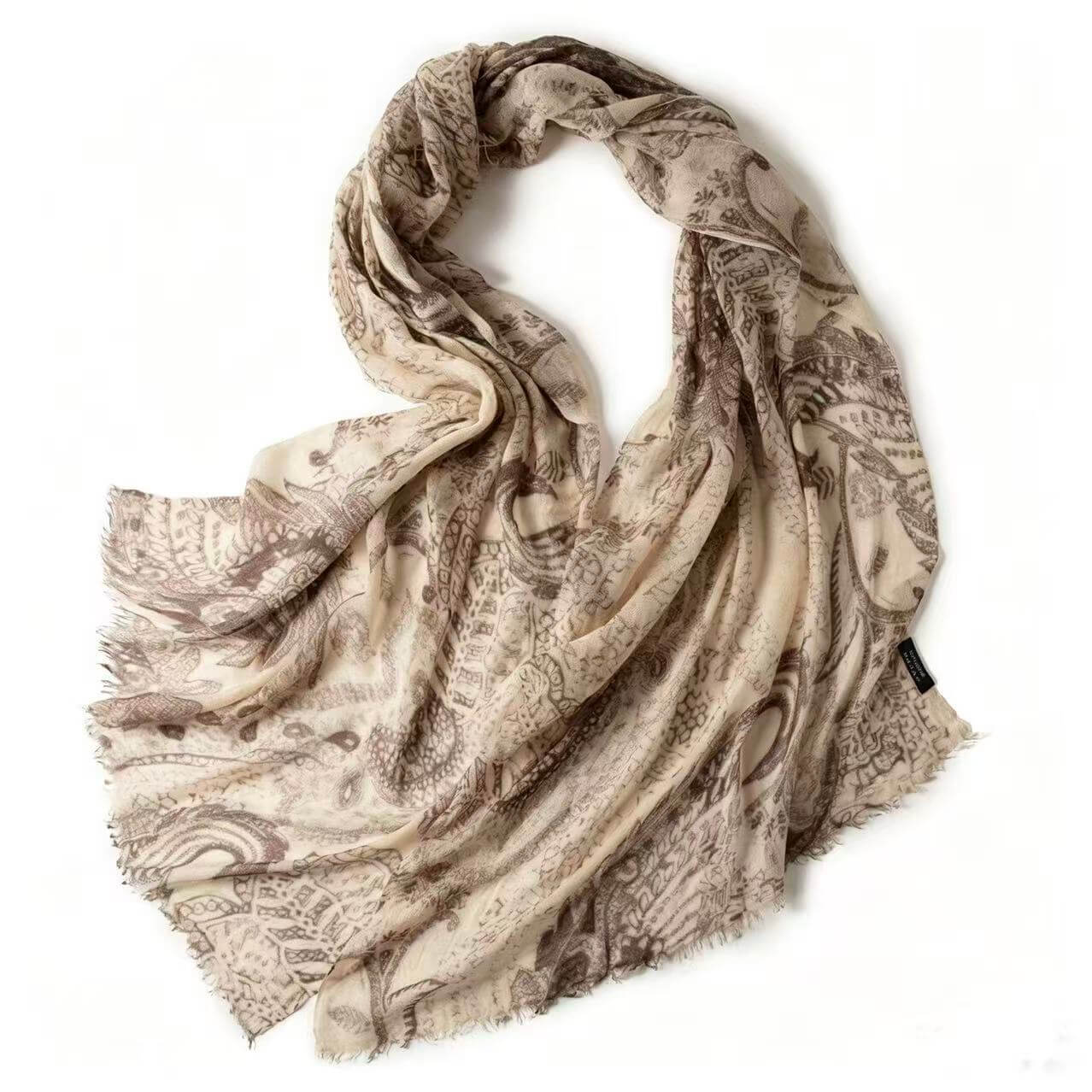
How to Assess Cashmere Craftsmanship Before Buying
Fiber quality is the foundation, but craftsmanship determines how well a cashmere accessory holds up over years of wear. There are five specific things to check, either in person or from product imagery and descriptions online. First, yarn evenness: genuine premium cashmere has a consistent yarn thickness with no thick or thin patches visible in the knit or weave. Uneven yarn is a sign of short-staple or blended fiber. Second, edge finishing: hand-finished edges, where the fringe, hem, or cuff has been completed by hand rather than machine, lie flatter, sit more precisely, and have a visible refinement that machine finishing cannot replicate. Third, elasticity: gently stretch a section of the fabric and release it. Quality long-fiber cashmere springs back cleanly to its original shape. A piece that stays stretched or feels limp indicates short-fiber or blended content. Fourth, surface texture: genuine cashmere has a matte, natural luster rather than a high synthetic sheen. A shiny appearance is almost always a sign of synthetic fiber content. Fifth, weight consistency: hold the piece and compare the weight to the size. Premium cashmere achieves significant warmth at very low weight; if a piece feels heavy for its size, it is likely a coarser fiber or a denser blend rather than fine-gauge pure cashmere.
What Colors Should You Choose for Winter Cashmere Accessories?
The most practical winter cashmere wardrobe is built on neutral and transitional tones that coordinate across every piece and with every outfit they will be worn with. Ivory, oatmeal, camel, light grey, charcoal, and navy are the six most versatile winter cashmere colors because they work with each other, with black outerwear, with patterned clothing, and across the full range of occasions from casual to formal. Building a core winter set in coordinating neutrals, for example a camel scarf, an oatmeal hat, and a charcoal wrap, means every piece works with every other piece regardless of the order you put them on or the outfit underneath. Accent colors such as deep burgundy, forest green, or dusty rose work well as a single statement piece against a neutral base. Avoid committing your entire winter cashmere wardrobe to a single trending color that may feel dated by the following season; cashmere is an investment that should remain in active use for several years, and neutral colorways are the surest way to ensure that.
Shop Luxury Cashmere Winter Accessories
100% Grade A Mongolian cashmere. Scarves, wraps, hats, socks, and sweaters for every winter lifestyle.
Browse the Collection →Free shipping available. 100% pure cashmere, guaranteed.
Frequently Asked Questions
What is the most versatile cashmere winter accessory?
A 100% cashmere scarf or wrap is the most versatile winter cashmere accessory because it works in the widest range of contexts: outdoors against the cold, indoors as a desk layer, on flights as a blanket, at evening events as a shoulder cover, and as a gift for almost any recipient. A cashmere scarf in a neutral color works across every outfit in a winter wardrobe and every occasion from casual to formal. If you are buying only one cashmere piece for winter, a generously sized scarf or wrap at 170 cm or more in length is the best starting point.
How many cashmere accessories do you need for winter?
A practical core winter cashmere wardrobe for most women consists of three pieces: a scarf or wrap for everyday neck and shoulder warmth, a hat for outdoor use in cold temperatures, and a sweater or base layer for full-body insulation. These three pieces cover the majority of winter warmth needs across commuting, travel, work, and social occasions. A fourth piece, cashmere bed socks or a larger shawl, adds meaningful home comfort for anyone who runs cold indoors. Beyond four pieces, the law of diminishing returns sets in for most wardrobes, and it is better to invest more in fewer higher-quality pieces than to accumulate several lower-grade items.
Is a cashmere hat or cashmere scarf warmer for winter?
A cashmere hat provides more warmth per degree of cold than a cashmere scarf because the head is one of the primary areas of heat loss in cold conditions. In temperatures below 5 degrees Celsius, a hat makes a more significant difference to perceived body temperature than a scarf alone. In milder cold between 5 and 15 degrees Celsius, a scarf around the neck is often sufficient and more practical for the transition between outdoor cold and indoor warmth. For the coldest winter conditions, both together provide the most effective warmth: the hat covers the head and ears, and the scarf protects the neck and the arteries that supply blood to the brain.
What is the difference between a cashmere scarf and a cashmere shawl or wrap?
A cashmere scarf is typically 160 to 200 cm long and 25 to 35 cm wide, designed primarily to be worn around the neck. A cashmere shawl or wrap is typically 170 to 200 cm long and 60 to 80 cm wide, large enough to drape over both shoulders as a full cover, use as a lap blanket, or fold into a travel carry. The scarf is more practical for outdoor cold and commuting; the shawl or wrap is more versatile for indoor layering, travel, and occasions where you want coverage over a formal outfit. For a winter wardrobe that covers both contexts, owning one of each in coordinating colors provides the most flexibility.
How do you care for luxury cashmere winter accessories?
All luxury cashmere accessories should be hand washed only, in cool water at or below 30 degrees Celsius, using a small amount of mild detergent. Never machine wash, tumble dry, or wring cashmere, as all three cause irreversible felting that shrinks and permanently stiffens the fiber. After washing, gently press out excess water and lay flat on a clean towel to dry away from direct sunlight or heat. Store folded rather than hung to prevent stretching at the fold point over time. Use a cashmere comb or fine fabric shaver to remove surface pills as needed. A cashmere accessory cared for correctly will last for years and actually improve in softness over multiple gentle washes as the fiber settles.
Are luxury cashmere accessories worth the price?
Yes, for anyone who will wear them regularly. The cost-per-wear calculation for a quality 100% cashmere accessory is almost always lower than for a cheaper alternative over a two to three year period, because cashmere lasts significantly longer with correct care, performs better across the full range of winter conditions, and does not need replacing seasonally the way blended or synthetic accessories do. The warmth-to-weight ratio of Grade A cashmere at 14 to 16 microns is approximately 8 times higher than sheep's wool, meaning you carry less and stay warmer. The softness against skin also has a practical benefit for daily wear: a non-itchy, non-scratchy accessory worn against the neck and face for several hours a day is meaningfully more comfortable than the alternative, which has a real quality-of-life value that is difficult to quantify but immediately apparent.